
In the legal industry, a long-standing myth persists: that being an exceptional litigator or a brilliant legal technician automatically makes you an effective leader.
The truth is that managing a practice, leading a trial team, or directing a corporate legal department requires a completely different skill set than arguing a motion or drafting a contract. Today, legal leaders are facing unprecedented cultural and operational shifts. Yet, many are forced to rely on outdated, rigid management styles that no longer work.
To build sustainable, high-performing legal environments, we must address the specific pain points holding legal leaders back.
1. The Relentless Pressure of the "Invulnerability Myth"
Lawyers are trained to be bulletproof. In a courtroom or negotiation, showing doubt is seen as a liability. Unfortunately, leaders often carry this mindset back to their teams. They believe they must always have the answers and never show weakness.
This creates a culture of fear and isolation. When leaders feel they must appear invulnerable, they stop asking for help, hide strategic anxieties, and fail to connect authentically with their teams.
2. High-Stakes Burnout and Retention Crises
The legal profession has always demanded long hours and high intensity, but the current burnout rate is unsustainable. Leaders are trapped between meeting aggressive targets and trying to keep their junior associates and paralegals from quitting.
Without intentional leadership strategies rooted in empathy and ongoing development, partners and directors struggle to motivate a changing workforce that prioritizes well-being alongside professional excellence.
3. The Gap Between Technical Competence and People Management
Law school teaches people how to think like a lawyer, not how to manage human beings. Most legal leaders are promoted because of their billable hours, book of business, or technical expertise.
When placed in charge of a department, they suddenly have to navigate conflict resolution, team dynamics, and strategic coaching with zero formal training. The result is micro-management, fragmented communication, and friction across the organizational hierarchy.
Moving Forward: The Power of Vulnerable Leadership
Addressing these pain points requires a fundamental shift in how we define a strong legal leader. True leadership doesn’t mean having a flawless exterior; it means having the courage to show up authentically, listen actively, and foster a safe environment where teams can collaborate and excel.
The Ask
Stop Guessing. Measure Your Culture’s Blind Spots Today.
Associate turnover rarely begins with a resignation letter. It begins with silence—the questions no one asks, the concerns no one raises, and the ideas no one brings forward because they don’t feel safe doing so.
If you are ready to identify the hidden leadership gaps fueling burnout, silence, and turnover in your firm, take the free 10-minute Attorney Leadership Trust Audit™. You will instantly receive your firm’s Trust Score, a breakdown across seven critical dimensions, and three immediate actions to secure your top talent.
👉 Take the Free Trust Audit Now at
cswleadership.com/trust-auditPrefer a direct diagnostic evaluation? Contact Carl Shawn Watkins Consulting directly at 856-974-2780 or via email at carl@cswleadership.com to secure a high-performance culture for your firm.
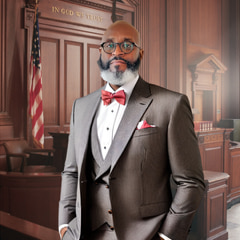
Carl Shawn Watkins
Author, Attorney Leadership Strategist, Keynote Speaker
BA in Law, MBA/MSOL Candidate April 2027, Aspiring JD